

Industrial Chemicals
Henan Alfa: Your Trustworthy Industrial Chemicals Supplier!
Our company aims to provide customers with high quality chemicals. Over the years, we have worked hard to maintain our reputation as a reliable and trustworthy chemical supplier in the market. We are able to offer a wide range of chemicals including reagents, materials chemicals and biochemicals to meet the needs of various industries and research fields.
Rich Products
Our company can produce reagents, material chemicals and biochemicals to meet the needs of domestic and foreign markets, and exports to the United States, the European Union and other countries and regions, as well as Southeast Asia, Africa, and the Middle East.
Quality Assurance
We are a leading manufacturer certified by FDA, CCE and REACH standards. Our products are 100% factory tested and well packaged. All our products comply with industry standards such as CE, ISO, etc.
Advanced Instruments
Our company has advanced equipment and the most advanced chemical equipment and instruments, such as high performance liquid chromatography, analytical balances, UV-visible spectrophotometers, etc.; it is also equipped with advanced laboratories that can specialize in the production of chemical reagents, material chemicals, industrial Chemicals and more.
Leading Service
We have many years of industry experience and a complete production management, quality supervision, sales service operation system. Whether you want to purchase different chemical reagents, or other biochemicals, just send your requirements via email and we can customize the product for you. We also accept OEM customization.


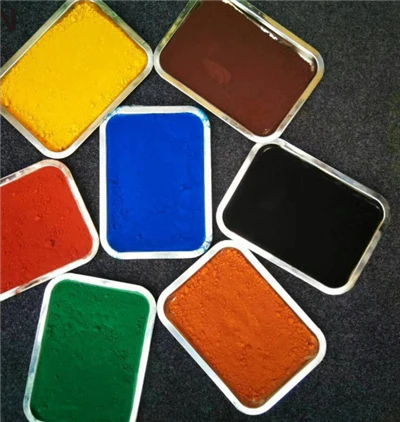
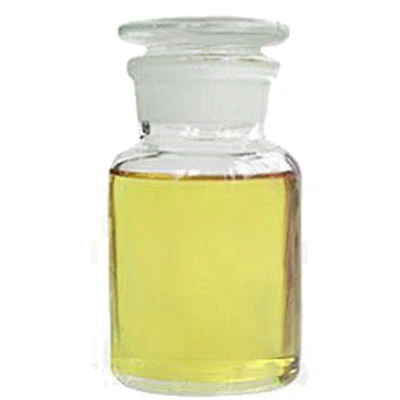


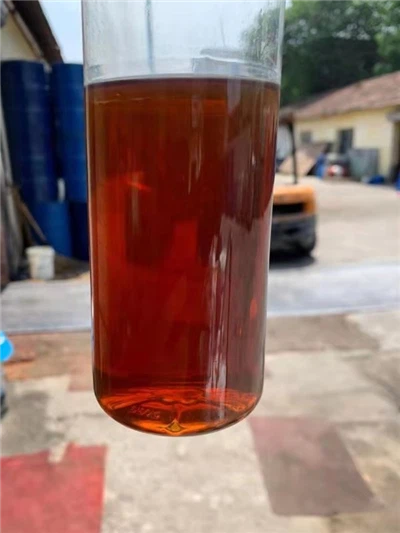


Industrial chemicals are chemical substances produced or used in industrial processes for various purposes including manufacturing, processing, and purification. These chemicals are often used in large quantities and include organic and inorganic compounds. Industrial chemicals also include chromium nicotinate,ethyl undecanoate,dibenzyltoluene, etc.
Features of Thioxon
Anti-Inflammatory Properties
Thioxon is a potent anti-inflammatory agent that can help reduce inflammation and swelling in the mouth. It is particularly effective in treating gum disease.
Antibacterial Properties
Tetraconone also has strong antibacterial properties, helping to kill bacteria and other harmful microorganisms in the mouth. This makes it an effective tool in treating a variety of dental infections.
Relief the Pain
Thioxone can relieve pain by blocking pain signals in the affected area. This makes it useful in treating toothaches and other dental pain.
Compatibility with Other Dental Materials
Tioxolone is compatible with a variety of dental materials, including composites, cements and impression materials. This makes it a versatile tool for dental offices.
Types of Thioxon
Tioxolone-5
This is a thioxone commonly used in skin care products for its anti-inflammatory and wound-healing properties. It has been shown to inhibit the production of pro-inflammatory cytokines and promote collagen production, effectively improving the appearance of fine lines and wrinkles.
Sodium Thiophenone
This class of thienones is used in oral health products as an ingredient in toothpastes and mouthwashes for its antibacterial and anti-inflammatory properties. It has been shown to inhibit the growth of Streptococcus mutans, a type of bacteria that causes tooth decay.
Thiophenone Zinc Oxide
This type of thienone is used as a UV filter in sunscreen products because of its ability to absorb UVA and UVB radiation. It is often combined with other UV filters to provide broad-spectrum protection against sun damage.
Thiophenone Potassium
This type of thiophenone is used in hair care products as an ingredient in shampoos to help reduce scalp inflammation and itching. It has also been shown to improve hair growth by promoting the proliferation of hair follicle cells.
Working Principle of Thioxon
Inhibit Bacterial Metabolism
Tioxolone can inhibit the energy metabolism of bacteria, affecting their growth and reproduction, leading to bacterial death.
Regulate Cell Membrane Function
Tioxolone can interact with lipid molecules in the cell membrane, changing the structure and function of the cell membrane, leading to increased cell membrane permeability and bacterial death.

Interfere with Nucleic Acid Synthesis
Tioxolone can interfere with bacterial DNA and RNA synthesis, thereby hindering its normal gene expression and function, leading to bacterial death.
Block Enzyme Activity
Tioxolone can block bacterial-specific enzyme activities, such as bacterial DNA polymerase and RNA polymerase, which play a key role in bacterial replication and transcription, resulting in bacterial death.
What is Lead Acetate Trihydrate
Lead acetate trihydrate is a white crystalline solid that is also known as sugar of lead. It is a toxic substance that is used as a laboratory reagent and in the production of certain dyes and pigments. However, due to its toxicity and potential health hazards, it is heavily regulated and restricted in its use in many countries.
Applications of Lead Acetate Trihydrate
Hair Coloring
Lead acetate trihydrate is used in hair coloring products as a color developer. It reacts with other chemicals in the hair dye to produce the desired color.
Chemical Analysis
Lead acetate trihydrate is used in chemical analysis to detect the presence of hydrogen sulphide in gases. It is also used in the analysis of chromate and dichromate ions.
X-Ray Crystallography
Lead acetate trihydrate is used as a reagent in X-ray crystallography to grow crystals of proteins, nucleic acids, and other biological materials.
Photography
Lead acetate trihydrate is used in black and white photography to produce brown tones in the prints.
Glaze and Ceramic Industry
Lead acetate trihydrate is used in glazes for ceramics to produce a shiny and smooth surface finish. It is also used in the production of lead oxide, an important ingredient in glass manufacturing.
Stabilizer in PVC
Lead acetate trihydrate is used as a stabilizer in polyvinyl chloride (PVC) plastics to prevent discoloration, brittleness, and degradation.
Cardamom oil is a type of essential oil extracted from the seeds of the cardamom plant (Elettaria cardamomum). It has a warm, spicy, and slightly sweet aroma and is commonly used in aromatherapy and as a flavoring agent for food and beverages. Cardamom oil has many potential health benefits, including improving digestion, reducing inflammation, and promoting relaxation. It is often used in traditional medicine and is also found in many cosmetic and personal care products.
Features of Cardamom Oil
Aromatic
Cardamom oil has a strong and spicy aroma and is highly aromatic.
Antibacterial
Cardamom oil has antibacterial properties that help prevent the growth of harmful bacteria and fungi.
Digestion
Cardamom oil has carminative properties and can be used to aid digestion.
Diuretic
Cardamom oil has diuretic properties that help promote the elimination of excess fluid from the body.
How to Choose Cardamom Oil
Check for Quality
Always ensure that the cardamom oil you purchase is of high quality. Look for oils that have been extracted from pure and high-quality cardamom seeds.
Purity
Ensure that the cardamom oil is pure and free from any additives, synthetic fragrance or any other harmful chemicals. Check the label of the product to find out if it is 100% pure essential oil.
Source
Choose oil that is sourced from reputable suppliers to ensure that it is of high quality. The source of cardamom oil may influence its quality.
Extraction Method
Look for cardamom oil that has been extracted through steam distillation. It is the safest and the most effective method of extraction that preserves the purity of the oil.
Applications of Cardamom Oil
Cardamom oil is widely used in aromatherapy due to its soothing and refreshing aroma. It is believed to reduce anxiety, stress, and depression, and promote relaxation and mental well-being.
Cardamom oil is beneficial for digestive health. It stimulates appetite, helps in the secretion of digestive juices, and reduces bloating, nausea, and indigestion. It also helps in relieving stomach spasms and cramps.
Cardamom oil is useful in treating respiratory conditions such as bronchitis, asthma, and cough. It acts as a natural expectorant, eases congestion, and promotes better breathing.
Cardamom oil is known for its antimicrobial and anti-inflammatory properties, making it useful in maintaining oral health. It can alleviate bad breath, reduce inflammation, and prevent cavities.
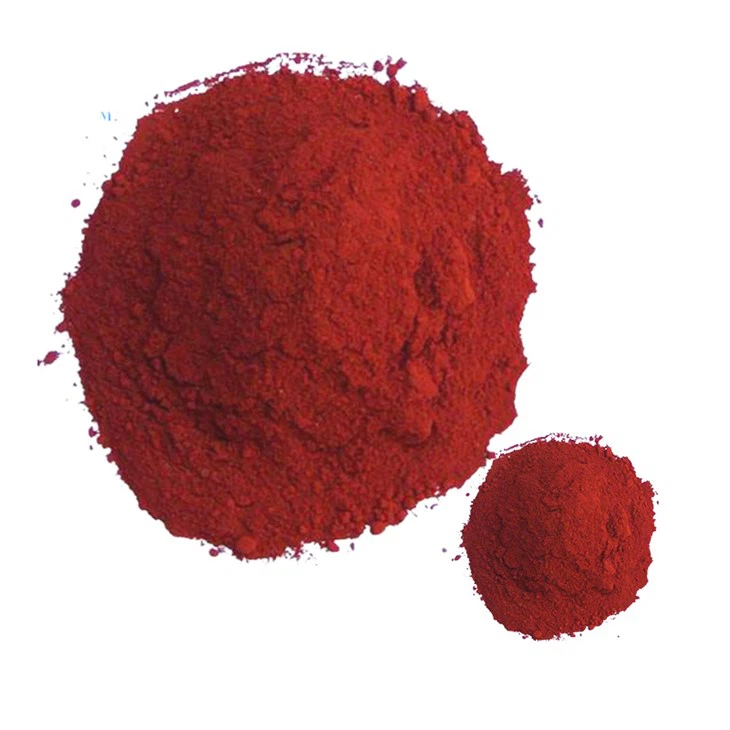
Melamine Pyrophosphate (MPP) is a flame retardant used in various materials such as plastics, textiles, and coatings. It is a salt-like powder consisting of melamine and phosphoric acid, which can be easily mixed into a polymer matrix to improve its fire resistance. MPP works by releasing nitrogen gas when exposed to heat or flame, creating a thin protective layer on the surface of the material that prevents the fire from spreading. It is considered an environmentally friendly flame retardant due to its low toxicity and high thermal stability.
Features of Melamine Pyrophosphate
Flame Retardant
Melamine pyrophosphate is a highly efficient flame retardant. It is effective in reducing fire hazards and preventing the spread of flames.
Heat Stability
This compound has excellent heat stability, which means it can withstand high temperatures without losing its effectiveness as a flame retardant.
Low Toxicity
Melamine pyrophosphate is considered a safer alternative to other flame retardants due to its low toxicity and minimal environmental impact.
Halogen-Free
Unlike other flame retardants that contain halogen-based compounds, melamine pyrophosphate is halogen-free, making it a more environmentally friendly option.
How to Choose Melamine Pyrophosphate
Consider the Application
Melamine pyrophosphate is often used as a flame retardant in various applications. It is important to consider the specific application for which you require the flame retardant. For example, if it is being used in plastics, consider the type of plastic and the intended use of the end product.
Check Chemical Composition
Ensure that the melamine pyrophosphate you are considering has the correct chemical composition for your application. This may include checking the purity level of the product, as well as the size of the particles.
Quality Assurance
It is important to choose a supplier that offers quality assurance measures, such as testing and certificates of analysis. This will guarantee that the product you receive meets the necessary standards for your application.
Compliance with Regulations
Melamine pyrophosphate is regulated by various agencies, such as the Environmental Protection Agency (EPA) and the European Union (EU). Before choosing a supplier and product, ensure that it is compliant with all relevant regulations.
Frequently Asked Questions
We're well-known as one of the leading industrial chemicals manufacturers in China, specialized in providing high quality chemical products. Please rest assured to buy industrial chemicals made in China here from our factory.
7-Ethyl-10-hydroxycamptothecin, Tricobalt tetraoxide, 1 3 Diisopropenylbenzene