
Biochemicals

Henan Alfa: Your Trustworthy Biochemicals Supplier!

Our company aims to provide customers with high quality chemicals. Over the years, we have worked hard to maintain our reputation as a reliable and trustworthy chemical supplier in the market. We are able to offer a wide range of chemicals including reagents, materials chemicals and biochemicals to meet the needs of various industries and research fields.

Rich Products

Our company can produce reagents, material chemicals and biochemicals to meet the needs of domestic and foreign markets, and exports to the United States, the European Union and other countries and regions, as well as Southeast Asia, Africa, and the Middle East.

Quality Assurance

We are a leading manufacturer certified by FDA, CCE and REACH standards. Our products are 100% factory tested and well packaged. All our products comply with industry standards such as CE, ISO, etc.


Advanced Instruments

Our company has advanced equipment and the most advanced chemical equipment and instruments, such as high performance liquid chromatography, analytical balances, UV-visible spectrophotometers, etc.; it is also equipped with advanced laboratories that can specialize in the production of chemical reagents, material chemicals, industrial Chemicals and more.

Leading Service

We have many years of industry experience and a complete production management, quality supervision, sales service operation system. Whether you want to purchase different chemical reagents, or other biochemicals, just send your requirements via email and we can customize the product for you. We also accept OEM customization.

First 1234567 Last 1/53


What is Biochemicals

Biochemicals are molecules that participate in chemical processes that occur within living organisms and include proteins, carbohydrates, lipids, nucleic acids, and other small organic compounds. These molecules are critical to the function of cells and organs, and changes in their levels or activity can lead to disease or other health conditions. Examples of biochemicals include enzymes, hormones, neurotransmitters, and metabolic intermediates. Biological products also include arabinose, maltodextrin, polycytidylic acid, adenosine diphosphate, etc.
CAS No.17334-58-6 | Pelargonin Chloride
Features of Keratin
 
 
High Intensity

Keratin is an extremely strong protein with high mechanical strength. This makes it an ideal ingredient for skin, hair and nails. Its strength allows our nails to protect our fingers and our hair to withstand daily pulls and environmental impacts.

 
Anti-Aging

Keratin helps skin, hair and nails stay young. It prevents oxidation, which is the main cause of skin and hair aging. Therefore, Keratin can effectively delay the aging of skin and hair, keeping them vibrant.

 
Not Easy to Damage

Keratin protects against damage from environmental factors such as UV rays, pollution and chemicals. It helps skin and hair stay healthy and prevent damage. This is one of the reasons why Keratin is widely used in skin care and hair care products.

 
Long Term Maintenance

Keratin's structure is stronger than other proteins, so it remains in the skin and hair longer. This makes it a great moisturizer, locking moisture into the skin and hair, keeping them moisturized for longer.

 
Types of Keratin
 
1

Alpha-Keratin
Alpha-keratin is the main component of the stratum corneum and the most basic member of the keratin family. It mainly exists in keratinocytes such as skin, hair and nails, and is an important factor in protecting skin and hair. Its special amino acid sequence allows it to link with other keratin proteins to form the skeleton structure of keratinocytes.

2

β-Keratin
β-keratin is a keratin protein containing Cys residues that is associated with fiber conformation. Found in structures such as skin, hair and the cornea of the eye, it also has protective and supportive effects. Beta-keratin is a softer form of keratin than alpha-keratin, making it more suitable for hair softness and flexibility enhancement.

3

Gamma-Keratin
γ-Keratin mainly acts on the intercellular bridges in corneocytes, making the stratum corneum harder. It is abundant in hair and nails and usually forms a complex with KAP1 and other related proteins to participate in forming the skeleton structure of keratinocytes.

4

Type I Keratin
Type I keratin is classified as a smaller and more acidic type of keratin. They work to promote and maintain the health of epithelial cells outside the body (i.e., areas exposed to the external environment). Type I keratin is the main component of hair and nails.

5

Type II Keratin
Type II keratin is larger than type I keratin and has a neutral pH. They are found in the internal epithelial cells that line various structures and organs in the body, including the lungs, kidneys, liver and digestive system.

Applications of Keratin

Cosmetics

Keratin is widely used in cosmetics such as shampoos, hair conditioners, and hair styling products. Keratin helps to improve the appearance of damaged hair by providing a protective coating that restores the natural shine and elasticity of hair. It also helps to reduce frizz and tangles, making hair more manageable and easier to style.

Medical

Keratin is being used in medical applications such as wound care and tissue engineering due to its biocompatibility and biodegradability. It has been shown to promote the growth of new cells and help with tissue regeneration. Keratin-based dressings are used to accelerate the healing process of wounds and to prevent infection.

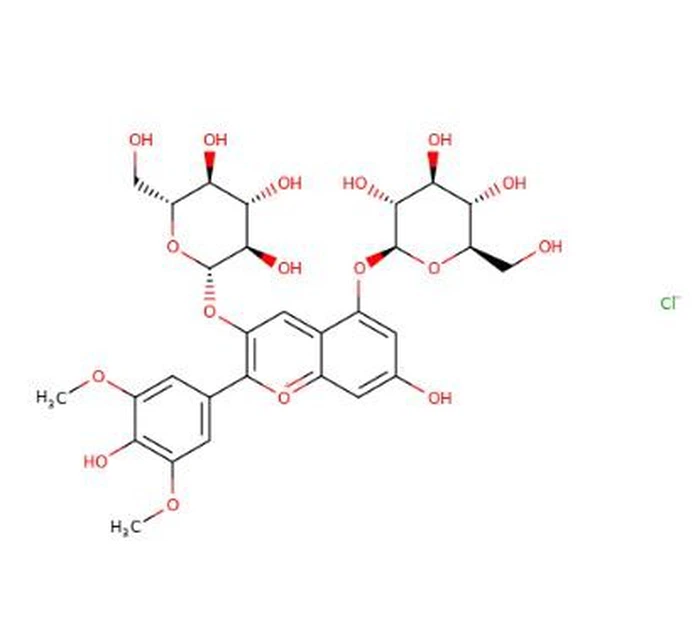
CAS No.16727-30-3 | MALVIN CHLORIDE

Textile

Keratin can be used in the textile industry to produce natural, durable, and eco-friendly clothing. It is particularly popular in clothing that requires stretchability and resilience, such as sportswear and swimwear. Keratin fibers can also be blended with other natural fibers in yarns and fabrics, creating a variety of textures and colors.

Agriculture

Keratin is a rich source of nitrogen and other nutrients, making it an effective fertilizer for plants. When added to soil, it can improve soil fertility and increase crop yield. It also helps to reduce the need for chemical fertilizers, which are harmful to the environment.


Musk Ketone

Musk ketone is a synthetic organic compound that belongs to the group of musk fragrances. It has a musky, floral scent and is used as a fragrance enhancer in perfumes and personal care products. Musk ketone is also used in the food industry to add flavor to certain foods and beverages. However, due to concerns about its potential toxicity and environmental impact, the use of musk ketone in consumer products has been restricted in some countries.

CAS 56353-15-2 N-Acetyl Carnosine


Features of Musk Ketone
01.

Aroma

Muskone has a distinct and strong musky smell and is used in perfumes and essences.

02.

Long Lasting Smell

Has a long-lasting fragrance that stays on clothes for a long time.

03.

Stability

Muscone is stable at room temperature and does not decompose easily.

04.

Solubility

Easily soluble in alcohol and other solvents.

Applications of Musk Ketone

Perfume and Fragrance Industry

Musk Ketone is a popular ingredient in perfumes and fragrances due to its long-lasting and pleasant odor. It is often used as a base note in many fragrances.

Cosmetics Industry

Musk Ketone is also used in cosmetic products like lotions, creams, and body oils. It adds a pleasant and long-lasting scent to such products.

Flavors and Food Industry

Musk Ketone is used in the food industry as a flavor enhancer. Its musky odor can be used to flavor candy, chewing gum, and other food items.

Pharmaceuticals Industry

Musk Ketone has also been used in the development of a few pharmaceutical products.

Crocin


Crocin is the brand name of a drug that contains paracetamol (also known as acetaminophen) as the active ingredient. It is commonly used to relieve pain and reduce fever.

CAS:30811-80-4|Polycytidylic Acid


Features of Crocin

Pain Relief
Crocin is an effective pain reliever that can help reduce mild to moderate pain levels in the body.

Fever Reducing
Crocin acts as an antipyretic and helps in reducing fever in both adults and children.

Fast-Acting
Crocin is a fast-acting pain reliever, with the effects starting within half an hour of consumption.

Easy to Consume
Crocin is available in tablet, syrup, and suspension form, making it easy to consume.

Applications of Crocin


Nutritional Supplements

Choline is a component of bicarbonate of choline, which is required for many functions in the body, including neurotransmitter synthesis, cell membrane structure and lipid metabolism. Therefore, choline bicarbonate is often used as a nutritional supplement to prevent choline deficiency, which can lead to liver disease, memory loss and muscle damage.

Pharmaceutical Excipients

Choline bicarbonate is used as a pharmaceutical excipient, i.e., it is used as a functional additive in pharmaceuticals to improve stability, solubility and bioavailability. In addition, it can be used as a pH regulator, buffering agent and disintegrating agent for oral medications.

CAS: 1344-37-2 | Pigment Yellow 34


Neferine

Neferine is a natural alkaloid compound found in the seeds of the lotus plant (Nelumbo nucifera). It has been traditionally used in Chinese and Ayurvedic medicine for its medicinal properties, including its ability to reduce anxiety, lower blood pressure, alleviate pain, and treat cardiovascular and liver diseases. Neferine has also been found to have anticancer properties and may be effective in treating certain types of cancer.

Features of Neferine
 
 
Antioxidants

Liensinine has strong antioxidant properties, which can scavenge free radicals in the body and prevent oxidative stress and related diseases.

 
Anti-Inflammatory

Liensinine has anti-inflammatory properties that reduce inflammation in the body, which may help prevent chronic diseases such as arthritis and heart disease.

 
Anti-Cancer

Liensinine has shown good effects in inhibiting the growth of cancer cells, especially in breast cancer and leukemia.

 
Cardiovascular Benefits

Methylinine has been found to be effective in lowering blood pressure, lowering cholesterol levels, and improving heart function, which may help prevent cardiovascular disease.


Applications of Neferine


Antidiabetic Effect

Liensinine has been found to have antidiabetic effects by increasing insulin sensitivity and lowering blood glucose levels.

Anti-Inflammatory Effect

Liensinine has been shown to have anti-inflammatory effects by reducing the production of pro-inflammatory cytokines.

CAS: 1344-37-2 | Pigment Yellow 34


Frequently Asked Questions
 

Q: What is keratin?

A: Keratin is a fibrous protein that makes up the structural framework of hair, nails, and the outer layer of skin in animals and humans. It is responsible for adding strength and flexibility to these tissues and providing protection against damage and environmental stressors. Keratin is found in many different forms throughout the body, including in scales, beaks, horns, and feathers of birds and reptiles.

Q: What are the primary functions of keratin?

A: Keratin is a fibrous structural protein that provides strength and elasticity to various tissues and structures in the body. Its primary functions include: Keratin forms a protective barrier in the outer layer of skin, hair and nails, protecting against physical and chemical damage, UV radiation and environmental toxins.

Q: Where is keratin found in the body?

A: Keratin is found in various structures throughout the body, including the hair, nails, skin, horns, hooves, and feathers of animals. It is also present in the epithelial cells of the tongue, esophagus, and other internal organs.

Q: What are the different types of keratin?

A: There are two main types of keratin: Alpha-keratin: Found in hair, nails, feathers, wool, and the outer layer of skin. Beta-keratin: Found in reptile scales, bird claws, and beaks.

Q: How is keratin produced in the body?

A: Keratin is produced in the body by specialized cells called keratinocytes, which are primarily found in the skin, hair, and nails. These cells synthesize and secrete keratin proteins, which form the structural basis of these tissues. The production of keratin is a complex process that involves multiple genes and biochemical pathways, and is regulated by various factors, including hormones and environmental cues. As keratinocytes mature and move to the outer layers of the skin or hair follicles, they undergo a program of terminal differentiation that involves the accumulation and cross-linking of keratin proteins, ultimately resulting in the formation of a tough, protective barrier.

Q: How does keratin contribute to skin health?

A: Keratin is a fibrous protein that is a crucial structural component of the skin, hair, and nails. In the skin, keratin plays an important role in maintaining the integrity and strength of the epidermal barrier. The epidermis is the outermost layer of the skin and acts as a protective shield against the environment, preventing harmful substances from entering the body and retaining moisture.

Q: What is the difference between hard keratin and soft keratin?

A: Hard keratin is a tough, dense, and durable keratin that forms the protective covering of animal nails, claws, hooves, and horns, as well as mammalian hair shafts. Hard keratin is characterized by its higher sulfur content and cross-linking which gives it its hardness and elasticity. Soft keratin, on the other hand, is a more flexible form of keratin found in skin, feathers, and other epidermal tissues. Soft keratin lacks the sulfur cross-links and bonds found in hard keratin, which makes it more pliable but less durable. Examples of soft keratin include the calluses on human feet, the baleen of whales and dolphins, and the wattles and combs of chickens.

Q: How does keratin contribute to hair growth and strength?

A: Keratin is a fibrous protein that forms the main structural component of hair. It promotes hair growth and strength in several ways: Keratin helps protect hair from damage caused by outside factors like heat, sun exposure, and environmental pollutants. And keratin helps keep hair hydrated by retaining moisture within the hair shaft. This prevents hair from becoming brittle and breaking.

Q: What other structures in the body contain keratin besides hair and skin?

A: Nails, feathers, hooves, beaks, and horns are other structures in the body that contain keratin.

Q: How does keratin contribute to nail health?

A: Keratin is a strong and durable protein that forms the building blocks of nails, hair, and skin. In nails, keratin contributes to their strength, durability, and flexibility. It helps nails grow long and stay intact by providing a protective barrier against external stressors such as water, chemicals, and physical damages. Keratin also plays a crucial role in protecting the cells that produce the nail plate, preventing them from becoming damaged or diseased. Therefore, the presence of keratin helps in maintaining healthy nails by preventing brittleness, breakage, and other problems that may lead to nail disorders.

Q: How can a lack of keratin affect skin and nail health?

A: Keratin is a fibrous protein that forms the basic structure of skin and nails. A lack of keratin can lead to a number of issues related to skin and nail health. When keratin is lacking, skin may become dry, rough, and scaly. This is because keratin helps retain moisture and maintain the structural integrity of your skin. Keratin helps form a strong protective layer around your nails, preventing them from breaking or cracking. Without enough keratin, nails can become brittle and easily chip, peel, or break.

Q: What are keratin treatments for hair and skin, and do they work?

A: Keratin treatment for hair is a chemical straightening process that smoothes and straightens hair by breaking down the hair's natural protein structure and replacing it with a keratin coating. This coating is designed to reduce frizz and smooth strands, leaving them looking shiny and healthy. Treatment usually takes about two hours to complete and can last up to six months. Skin keratin treatments are often used to treat dry, rough, or damaged skin by adding moisture and nutrients. These treatments typically involve applying keratin-containing products, such as creams or masks, to the skin. The goal is to improve skin texture and add an extra layer of hydration.

Q: How is keratin used in the beauty industry?

A: Keratin is used in the beauty industry to strengthen and repair hair and nails. Hair products containing keratin help to improve the texture and appearance of dry or damaged hair by restoring its natural protein structure. Keratin is also used in nail products to improve nail strength and prevent breakage. It is often found in hair straightening treatments, as well as in shampoos, conditioners, and hair masks. Additionally, keratin treatments are popular in salons to smooth and straighten hair, making it more manageable and frizz-free.

Q: How is keratin affected by environmental factors such as sun exposure or pollution?

A: Keratin is a structural protein found in various parts of the body, including hair, nails, and skin. Environmental factors such as sun exposure and pollution can negatively affect the health and integrity of keratin. Sun exposure can cause damage to the keratin in your hair and skin. The sun's UV rays can break the bonds that hold keratin together, causing dryness, brittleness, and breakage. Sun damage can also cause damage to keratinocytes (the cells that produce keratin) in the skin, leading to premature aging, hyperpigmentation, and an increased risk of skin cancer.

Q: How can individuals maintain healthy levels of keratin in their bodies?

A: A balanced diet rich in vitamins, minerals, and protein helps maintain healthy levels of keratin in the body. Foods such as eggs, fish, lean meats, spinach, carrots, and sweet potatoes are good sources of nutrients that promote keratin production. Stress can cause hair loss and nail damage. Practicing stress-reducing techniques such as meditation, yoga, or deep breathing exercises can help maintain healthy levels of keratin in the body.

Q: Are there any negative effects of too much keratin in the body?

A: Overproduction of keratin can cause skin inflammation and itching. And excessive accumulation of keratin can lead to the formation of keratin plugs in the hair follicles, causing hair loss or breakage. Or too much keratin in the nails can cause them to become brittle, thickened or discolored.

Q: What are some medical conditions that can affect keratin production in the body?

A: Ichthyosis: A group of genetic skin diseases that cause dry, scaly skin due to abnormal keratin production. Epidermolysis bullosa: A rare genetic disorder that affects the skin and mucous membranes, causing blistering and skin fragility. This is due to mutations in different genes encoding various structural or functional proteins, resulting in abnormal keratin production.

Q: How long does it take for keratin to grow back after it is removed or damaged?

A: But Keratin is a protein that is continuously produced by the body, so it will grow back naturally as long as the tissue that produces it is not severely damaged or destroyed. The time it takes for keratin to grow back can vary depending on the extent of the damage and individual factors such as age, overall health, and nutrition. On average, it takes a few weeks to a few months for keratin to completely grow back.

Q: Can keratin be artificially synthesized for medical or cosmetic purposes?

A: Yes, keratin can be artificially synthesized for medical or cosmetic purposes. Synthetic keratin can be used in various products such as shampoos, conditioners, hair treatments, and nail polishes. It is also used in medical applications such as wound healing and tissue engineering. Many companies are developing synthetic keratin products to cater to the growing demand for natural and organic cosmetics.

Q: What new research is being done on the properties and functions of keratin?

A: Researchers are studying the molecular structure of keratin to better understand its mechanical and physical properties, which may have important applications in biomaterials and tissue engineering. And research is investigating the role of keratin in the development and maintenance of hair and skin, including its interactions with other proteins and pathways.

We're well-known as one of the leading biochemicals manufacturers in China, specialized in providing high quality chemical products. Please rest assured to buy biochemicals made in China here from our factory.

Beef extract, Spermidine, Epsilon-polylysine

whatsapp

Phone

E-mail

Inquiry

Bag