




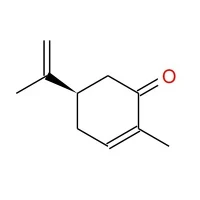
What are biochemical examples?
Biochemistry is the branch of science that deals with the chemical processes and substances that occur within living organisms. It is a fascinating field that provides insights into the molecular mechanisms of life. In this article, we will explore various biochemical examples that illustrate the diverse and complex nature of this discipline.
DNA and RNA: The Molecular Carriers of Genetic Information
One of the most well-known biochemical examples is the discovery of DNA (deoxyribonucleic acid) and its role in encoding genetic information. DNA is a long molecule composed of nucleotides, which consist of a sugar, a phosphate group, and a nitrogenous base. It plays a crucial role in the transmission of genetic traits from one generation to the next.
RNA (ribonucleic acid) is another important molecule involved in protein synthesis and gene expression. It is similar to DNA but contains a slightly different sugar molecule and a different nitrogenous base. RNA acts as a messenger that carries genetic information from DNA to the cellular machinery responsible for protein synthesis.
Understanding the structure and function of DNA and RNA has paved the way for significant advancements in the field of genetics and molecular biology.
Enzymes: The Catalysts of Life
Enzymes are macromolecular biological catalysts that play a vital role in biochemical reactions. They allow specific reactions to occur at a much faster rate than would be possible under normal conditions. Enzymes are highly specific, meaning that each enzyme catalyzes a particular reaction.
For example, the enzyme lactase catalyzes the breakdown of lactose into glucose and galactose. Without lactase, individuals with lactose intolerance would not be able to digest lactose-containing foods properly.
Enzymes are essential for various metabolic processes in the body, such as digestion, energy production, and DNA replication. They are also used in various industries, such as food processing, detergent production, and pharmaceutical manufacturing.
Metabolism: The Cellular Powerhouse
Metabolism refers to the chemical reactions that occur within cells to sustain life. It can be divided into two main categories: catabolism and anabolism.
Catabolism involves the breakdown of complex molecules into simpler ones, releasing energy in the process. For example, during cellular respiration, glucose is broken down to produce energy in the form of adenosine triphosphate (ATP).
Anabolism, on the other hand, is the synthesis of complex molecules from simpler ones, requiring energy input. An example of anabolic reactions is the synthesis of proteins from amino acids.
Metabolic pathways are highly regulated processes that allow organisms to maintain homeostasis and perform various functions necessary for survival.
Carbohydrates: The Energy Source
Carbohydrates are organic compounds composed of carbon, hydrogen, and oxygen. They are an essential source of energy for living organisms, particularly glucose.
Glucose is a simple sugar that can be readily converted into ATP, the energy currency of cells. It is broken down during cellular respiration to produce energy for various biological processes.
Carbohydrates also serve as structural components of cells. For example, cellulose is a complex carbohydrate found in plant cell walls, providing rigidity and support.
Proteins: The Building Blocks of Life
Proteins are large, complex molecules that perform a wide range of functions in cells. They are involved in structural support, enzymatic reactions, transport, signaling, and immune responses, among other roles.
Proteins are composed of amino acids, which are linked together by peptide bonds. The specific sequence of amino acids determines the structure and function of the protein.
Some examples of proteins include collagen - a fibrous protein that provides strength to connective tissues, hemoglobin - a protein that transports oxygen in the blood, and enzymes mentioned earlier.
Understanding the structure and function of proteins is crucial for the development of drugs and treatments for various diseases.
Lipids: The Insulators and Energy Storage
Lipids are a diverse group of molecules that include fats, oils, phospholipids, and steroids. They play several essential roles in organisms.
One crucial function of lipids is insulation and protection. They form a lipid bilayer that composes cell membranes, which acts as a barrier and helps maintain the integrity of the cell.
Lipids are also an efficient energy storage form. Triglycerides, a type of lipid, store energy in adipose tissues, which can be mobilized during times of energy demand.
Additionally, lipids serve as signaling molecules, hormones, and vitamin carriers. For example, cholesterol is a lipid that plays a vital role in hormone synthesis and cellular signaling.
Conclusion
Biochemistry is a dynamic and diverse field that explores the chemical processes and substances within living organisms. This article has highlighted several biochemical examples, including DNA and RNA, enzymes, metabolism, carbohydrates, proteins, and lipids.
Understanding these biochemical examples is crucial for gaining insights into the molecular mechanisms of life, developing medical treatments, and improving various industrial processes. Further research and advancements in biochemistry will continue to unravel the complexities of living systems and open doors to new discoveries in the field.