



Products Description
Introduction and application of Titanate coupler | TCA-IAM
Classification and function of coupling agents Coupling agents can improve the interface characteristics between polymer materials and fillers. They are a type of substance with an amphoteric structure. Some groups in their molecules can react with chemical groups on the surface of inorganic substances to form Strong chemical bonding, while the other group has organophilic properties and can react with organic molecules or physically entangle, thereby firmly combining two materials with different properties. This allows inorganic substances that are widely sourced, cheap or have specific properties to be used as fillers or reinforcing agents in plastics, which can not only reduce the cost of plastics, but also give other valuable properties to the products, such as improving mechanical properties, product dimensional stability, etc., expanding Application range of plastics. There are many kinds of coupling agents, and commonly used ones include titanate, aluminate, silanes and other varieties. (1) The titanate coupling agent molecule contains an alkoxy group and three long-chain molecular structural units. When the coupling agent interacts with the powdery filler, the alkoxy group takes away the protons on the surface of the filler. The protons originate from the filler. The bound water in the filler includes crystal water, chemically adsorbed water and physically adsorbed water, forming a chemical bond and covering the surface of the filler with a molecular layer of coupling agent. The three long-chain molecular structural units at the other end of the coupling agent can chemically cross-link or physically entangle with the polymer molecules, ultimately combining the inorganic filler and the polymer to improve the tensile strength and elongation of the material. rate and impact strength. At the same time, the coupling agent reduces the surface energy of the filler, improves the dispersion ability of the filler in the resin, reduces the viscosity of the filling system, increases the filling amount, reduces mechanical wear, saves power consumption, and reduces costs. . (2) Silane coupling agent is the most widely used coupling agent. Its general structural formula is Rsix3. R is an active functional group that has affinity or reactivity with polymer molecules, such as amino, mercapto, vinyl, and epoxy. group, cyano group, methacryloxy group, etc., x is an alkoxy group that can be hydrolyzed. When used as a coupling agent, the x group is first hydrolyzed to form silanol, and then reacts with the hydroxyl group on the filler surface. (3) Since most products of silane coupling agents and titanate coupling agents are liquid, it brings trouble to add them in high mixers. The color of these products will also affect the filling of modified masterbatch. Therefore, aluminum Acid ester coupling agent and a new type of composite coupling agent that is light white in the form of solid wax. Because the solid wax material is easy to meter and add, convenient to use, and has a light white color, it has been favored by manufacturers of inorganic powder modified materials such as calcium carbonate. .
Specification of Titanate coupler | TCA-IAM

Package of Titanate coupler | TCA-IAM
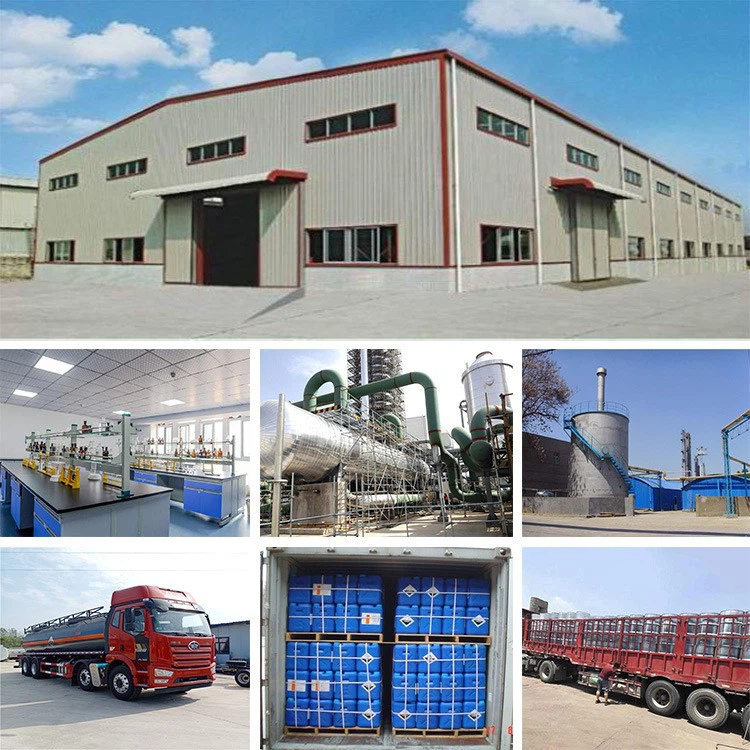
100G/1kg/25kg /200kgdrum
This product is valid for 24 months from the production date when stored in a warm sealed state.
Safety and Transportation
This product should be stored and sealed at room temperature. Customers should carefully read the product treatment, material safety data sheet (MSDS), and labels before use, be familiar with the product's safety information, operating instructions, and environmental impact, and wear appropriate personal protection as required. supplies.

Hot Tags: titanate coupler | tca-iam, China titanate coupler | tca-iam manufacturers, factory, 1 3 Diisopropenylbenzene, Industrial Chemicals, Hydrazine 1 2 dicarboxamide, Iron III 2 ethylhexanoate, 4 hydroxy 2 3 dimethyl 2H furan 5 one, Tricobalt tetraoxide


