


CAS 68683-29-4 | CTBN Liquid Rubber | Reactive Toughener for Epoxy | China Manufacturer
ACRYLONITRILE CONTENT
8% – 26%
Multiple grades for epoxy, phenolic, PU
VISCOSITY
Liquid
Pourable at room temperature; easy to mix
CARBOXYL CONTENT
Reactive
Covalent bonding with epoxy matrix
APPEARANCE
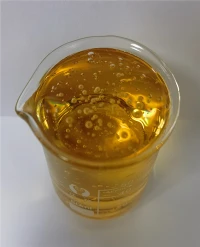
Amber Liquid
Light yellow to amber, viscous
APPLICATION QUICK LINKS
Jump to formulation data:
Product Overview
CTBN (CAS 68683-29-4) is a carboxyl-terminated butadiene-acrylonitrile liquid rubber used as a reactive toughener for epoxy resins, structural adhesives, and composite systems. Its terminal carboxyl groups react covalently with epoxy, forming a flexible rubber phase within a rigid matrix - improving impact strength, peel strength, and thermal cycling resistance without migrating.
The acrylonitrile (AN) content controls polarity and compatibility. Lower AN grades offer greater flexibility and solubility, while higher AN grades improve adhesion to polar substrates, oil resistance, and compatibility with epoxy and phenolic resins. Typical loading in epoxy systems is 5–20 phr; adhesive formulations often use 10–30 phr.
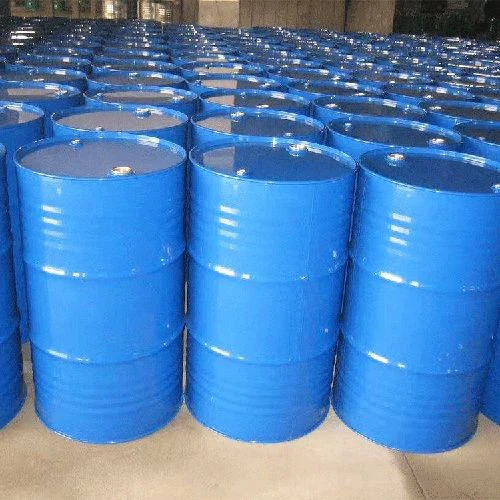
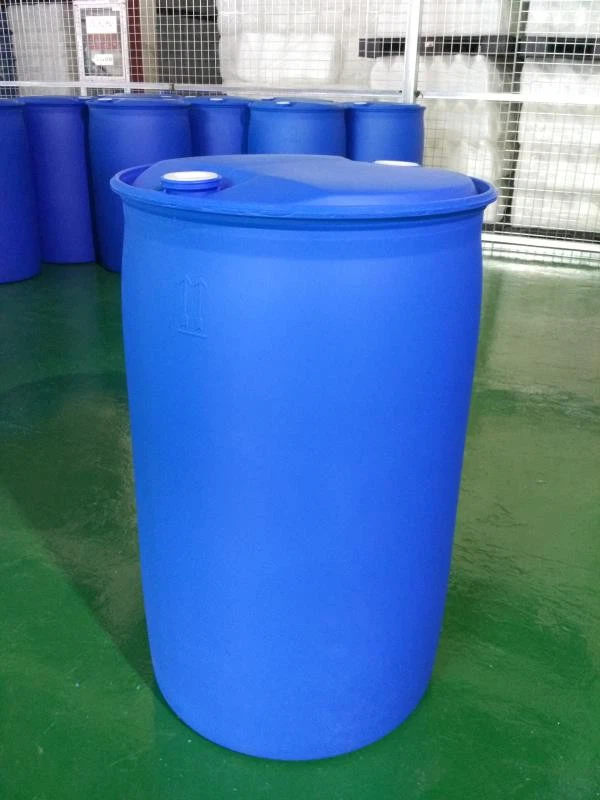
Unlike HTPB, which is hydroxyl-terminated and reacts with isocyanates, CTBN is carboxyl-terminated and designed for epoxy and hybrid systems. Alfa Chemical, a China-based manufacturer in Zhengzhou, supplies multiple AN grades with batch-specific COA and SDS. CTBN is a pourable, amber-to-light-yellow liquid with good aging resistance and thermal stability. Custom packaging from 1kg lab jars to 200kg drums is available.
|
|

CTBN carboxyl groups bond into the epoxy network during cure, forming a flexible rubber phase inside a rigid matrix.
Key Features
CTBN combines reactive carboxyl functionality with a butadiene-acrylonitrile backbone. The six properties below are what R&D teams, formulation engineers, and procurement teams evaluate first when selecting a liquid rubber for epoxy toughening, structural adhesives, electrical potting, and other reactive systems.
Reactive Carboxyl Groups
Terminal carboxyl groups react covalently with epoxy, forming a stable two-phase toughening system.
Multiple AN Grades
8%, 13%, 18%, 26% acrylonitrile for tuning polarity, compatibility, and oil resistance.
Pourable Liquid
Viscous but pourable at room temperature; easy to mix, no solvent required.
Excellent Aging & Thermal Stability
Good resistance to thermal cycling, oxidation, and hydrolysis in cured systems.
Epoxy & Phenolic Compatible
Designed for epoxy, phenolic, and hybrid adhesive systems. Also used in PU and acrylics.
China Manufacturer Direct
Factory-direct pricing from Zhengzhou, China with batch-specific COA and SDS.
Market Insight
Global demand for reactive liquid rubber continues to grow with the expansion of epoxy adhesives, composite materials, electrical potting, and related industrial systems. The chart below shows the indexed growth trend; for detailed market data, contact our team.
Reactive Liquid Rubber Demand Growth (Indexed)
2024
Base
2032
Growth
Illustrative trend. Request our latest market note for detailed data.
Applications of CTBN Liquid Rubber
CTBN is used across six major application areas. Loading levels, cure systems, and substrate compatibility differ for each. The data below reflects typical starting points; Alfa Chemical can advise on your specific formulation.
Epoxy Toughening
CTBN is the industry-standard reactive toughener for epoxy. Terminal carboxyl groups react with the epoxy matrix, forming a rubber-rich second phase that absorbs impact energy and improves peel strength and fatigue resistance.
Typical loading: 5–20 phr | Cure: amine or anhydride | Improvement: peel and impact strength
Request formulation data →Structural Adhesives
Used in metal-to-metal, glass, and composite bonding where high peel strength and thermal cycling resistance are required. Suitable for aircraft, automotive, and industrial assembly adhesives.
Typical loading: 10–30 phr | Substrates: Al, steel, glass, CFRP | Toughened, non-migrating
Ask about adhesive grades →Electrical Potting & Encapsulation
CTBN-modified epoxy improves crack resistance and thermal shock performance in potting compounds for transformers, sensors, and power electronics, with no cracking across repeated thermal cycles.
Typical loading: 5–15 phr | Thermal cycling resistant | Low shrinkage
Request a sample →Abrasives & Grinding Wheels
Used as a binder in grinding wheels and cutting wheels. Reduces adhesive consumption, improves wear resistance, and provides good polishing behavior and coolant resistance.
Typical loading: 5–15 phr | Wear-resistant | Coolant-resistant
Ask about abrasive grades →Composites & Laminates
Improves toughness and damage tolerance in glass fiber, carbon fiber, and polyester tape laminates. Commonly used in prepreg resins and resin transfer molding systems.
Typical loading: 5–20 phr | CFRP/GFRP compatible | RTM suitable
Request composite data →Coatings & Sealants
Adds flexibility and impact resistance to epoxy coatings and sealants. Reduces brittleness without sacrificing adhesion, solvent resistance, or cure speed.
Typical loading: 3–15 phr | Flexible | Adhesion promoting
Ask about coating grades →|
|
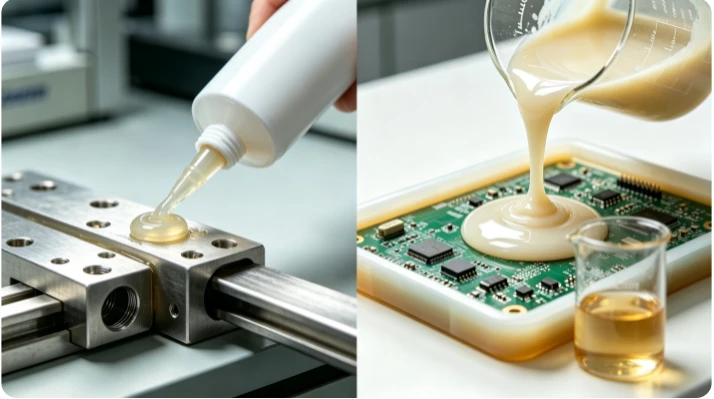
CTBN enhances toughness and thermal cycling resistance in structural adhesives, electrical potting, and composite systems..
Product Specifications (CAS 68683-29-4)
All values below are typical and confirmed by batch-specific COA. Request the latest COA for your grade.
| Item | Specification |
|---|---|
| Product Name | CTBN Liquid Rubber |
| Synonym | Carboxyl-terminated Polybutadiene Acrylonitrile; Carboxyl-terminated Butadiene Acrylonitrile Copolymer |
| CAS Number | 68683-29-4 |
| Chemical Type | Reactive liquid rubber, carboxyl-terminated butadiene-acrylonitrile copolymer |
| Appearance | Light yellow to amber viscous liquid |
| Acrylonitrile Content | Multiple grades: 8% / 13% / 18% / 26% (batch COA confirms) |
| Viscosity | Grade dependent; typically 100,000–500,000 cP at 27°C |
| Carboxyl Content | Grade dependent; typically 0.05–0.08 eq/100g |
| Packaging | 1kg / 5kg / 25kg / 200kg drum |
| Shelf Life | 24 months in sealed original container at room temperature |
| Documents | COA, SDS |
Quality Control
Every CTBN batch is tested before release. The COA you receive matches the lot number on the drum, so the data you see is the data for your shipment. For custom testing requirements, contact us.
We are based in Zhengzhou, China. If your project needs a specific AN grade, viscosity range, or third-party verification, contact us before you order.
Quality Control for Every Batch
Quality control tests performed on every batch of CTBN liquid rubber.
Packaging & Shipping
CTBN is shipped as a non-hazardous material by courier, air, or sea. Custom packaging is available upon request.
Standard packaging: 1kg, 5kg, 25kg, and 200kg drum. Delivery time is 3–7 business days after payment confirmation for stock items. COA and SDS are provided with every shipment. For special packaging or urgent requests, contact us directly.
 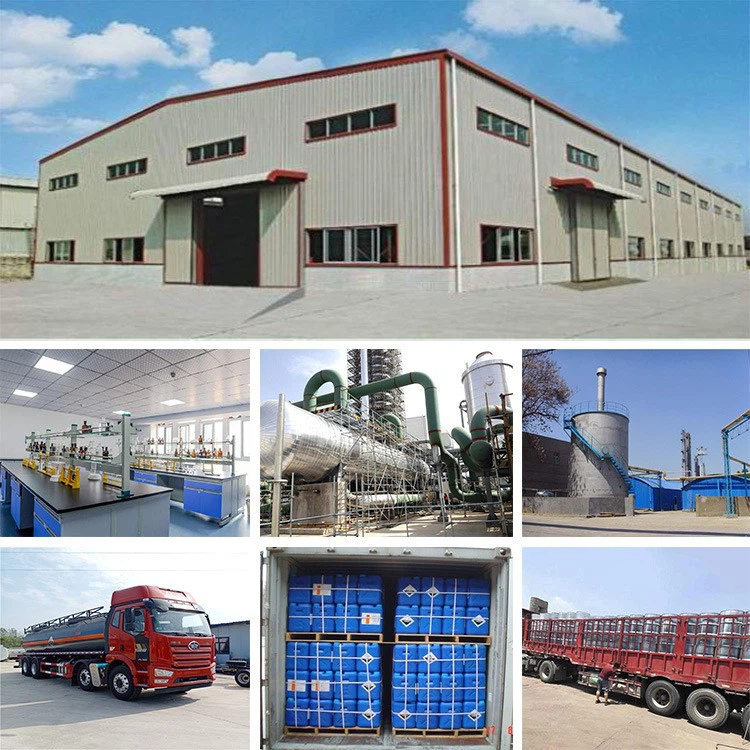 |
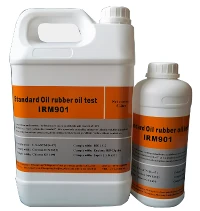
CTBN liquid rubber packaging: 1kg lab jar to 200kg drum.
Why Choose Alfa Chemical
Alfa Chemical supplies CTBN from Zhengzhou, China with multiple AN grades, ready stock, and batch-specific documentation. The six points below summarize what technical and procurement teams evaluate before placing a bulk order. Browse our industrial chemicals for related products.
Multiple AN Grades
8%, 13%, 18%, 26% acrylonitrile for tuning polarity and compatibility.
Ready Stock
Stock items ship in 3–7 days. 100g research samples available.
Full Documentation
Batch-specific COA and SDS provided with every shipment.
Application Experience
Guidance on loading, cure schedule, and compatibility with epoxy, phenolic, and PU systems.
Global Shipping
Non-hazardous shipping by courier, air, or sea from Zhengzhou, China.
Custom Solutions
Custom packaging, viscosity ranges, and third-party testing available.
Frequently Asked Questions
|
Q1. What is CTBN? CTBN (CAS 68683-29-4) is a carboxyl-terminated butadiene-acrylonitrile liquid rubber used as a reactive toughener for epoxy, adhesives, and composite systems. |
Q2. What is the difference between CTBN and HTPB? CTBN is carboxyl-terminated and reacts with epoxy; HTPB is hydroxyl-terminated and reacts with isocyanates. CTBN is preferred for epoxy toughening; HTPB for polyurethane systems. |
|
Q3. How much CTBN should be added to epoxy? Typical loading is 5–20 phr depending on the epoxy system and target toughness. Adhesive systems often use 10–30 phr. Our technical team can advise based on your formulation. |
Q4. What acrylonitrile grades are available? We supply 8%, 13%, 18%, and 26% AN grades. Higher AN improves polarity and compatibility with epoxy and phenolic resins; lower AN improves flexibility and solubility. |
|
Q5. What is the MOQ and lead time? MOQ is 1kg for stock grades. 100g research samples available. Lead time is 3–7 days for stock items. Contact us for details. |
Q6. Do you provide COA and SDS? Yes. COA and SDS are provided with every shipment. Batch-specific documents are available upon request. |
Need CTBN (CAS 68683-29-4)?
Tell us your AN grade, viscosity target, and application. We reply within 12 hours.
RELATED RESOURCES
Product Categories
This Product & Documents
About Alfa Chemical: Based in Zhengzhou, China, Alfa Chemical supplies fine chemicals, biochemicals, and specialty intermediates to research and industrial customers worldwide.
Disclaimer: This product is intended for industrial use only. All specifications are typical values and should be confirmed against the batch-specific Certificate of Analysis before use. Final formulation performance depends on the user's specific system and processing conditions.
Hot Tags: CTBN | Carboxyl-terminated Polybutadiene Acrylonitrile Liquid Rubber, China CTBN | Carboxyl-terminated Polybutadiene Acrylonitrile Liquid Rubber manufacturers, factory, Biurea, Cyclohexylbenzene, 2 2 AZOBIS 2 2 IMIDAZOLIN 2 YL PROPANE DIHYDROCHLORIDE, Industrial Chemicals, 4 5 Dimethyl 3 hydroxy 2 5 dihydrofuran 2 one, 2 4 Diphenyl 4 methyl 1 pentene
![CAS:35398-70-0|Poly[oxy(phenylphosphinylidene)oxy-1,4-phenylenesulfonyl-1,4-phenylene]](/uploads/40266/small/cas-35398-70-0-poly-oxy-phenylphosphinylideneabb38.png?size=195x0)