


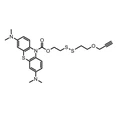
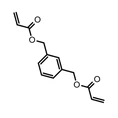

Introduction
The pharmaceutical industry is constantly evolving, with innovative drugs being developed to address a range of medical conditions. The production of these drugs requires numerous chemical compounds - one group of which is known as intermediate pharmaceutical ingredients. In this article, we will explore what intermediate pharmaceutical ingredients are, their characteristics, and their importance in the drug development process.
What are intermediate pharmaceutical ingredients?
Intermediate pharmaceutical ingredients (IPIs) are chemical compounds used in the production of pharmaceuticals. They are also known as Drug Intermediate, Active Pharmaceutical Ingredients (APIs), or Pharmaceutical Intermediates. IPIs are synthesized from starting materials, and these materials can be used to produce a variety of IPIs that are then assembled to make the final active pharmaceutical ingredient. IPIs range in complexity, with some being simple molecules and others being complex structures.
Characteristics of intermediate pharmaceutical ingredients
IPIs are typically synthesized through a multi-step process, and they can vary in purity and quality. These compounds are usually created in small batches, which allows for tight control of the chemical reaction conditions. IPIs are generally solids, and they can be produced in crystalline or amorphous forms. The physical and chemical properties of IPIs can also change based on the solvents, catalysts, and other factors used in their synthesis.
IPIs can also be categorized based on their reactivity, with some being highly reactive and others being relatively inert. Reactive IPIs are often used in the creation of complex drugs, as they allow for more efficient chemical reactions. However, they can also be hazardous and require careful handling.
Overall, IPIs serve as building blocks for the synthesis of more complex pharmaceutical compounds. They are critical to the drug development process, and their characteristics impact the overall quality and safety of the final drug product.
Importance of intermediate pharmaceutical ingredients in drug development
IPIs play a critical role in the drug development process. They are typically produced in-house or sourced from external suppliers. The use of high-quality IPIs is essential for ensuring the final drug product meets regulatory standards for safety, efficacy, and purity.
There are several reasons why IPIs are important in drug development. First, IPIs allow for efficient drug synthesis. By using IPIs as building blocks, drug manufacturers can create complex compounds more quickly and efficiently than if starting from scratch. Additionally, the availability of IPIs can help reduce the cost of drug development by streamlining production processes.
Secondly, the use of IPIs can help ensure the safety and quality of the final drug product. By using high-quality IPIs, manufacturers can ensure that the final compounded drug is safe and effective for patients. The regulatory bodies require specific standards for purity, which the IPIs must meet to be used in production. Therefore, manufacturers test IPIs to ensure that they meet regulatory standards. The testing of IPIs often includes purity testing, stability testing, and other forms of quality control.
Finally, IPIs allow drug manufacturers to create novel compounds for the treatment of a variety of medical conditions. By using IPIs as building blocks, drug developers can create unique compounds that target specific diseases or medical conditions.
IPIs in drug development
IPIs are used throughout different stages of drug development, starting with the discovery phase. During this phase, researchers identify novel compounds that have potential therapeutic benefits. These compounds then undergo a series of tests to determine their efficacy and safety. Once a compound is validated, it moves into the pre-clinical testing phase.
During pre-clinical testing, IPIs are used to produce small batches of the final drug product. These batches are then used to test the safety and efficacy of the compound in animal models. If the results of the pre-clinical tests are positive, the compound moves into clinical testing.
Clinical testing is the largest and most expensive phase of drug development. It involves testing the drug in humans to determine its safety and efficacy. During this phase, IPIs are used to produce the drug in larger quantities. These batches are used in clinical trials, and the data generated from these trials are submitted to regulatory agencies for approval.
Once the drug is approved, IPIs are used to produce the drug on a larger scale for distribution to patients.
Conclusion
Intermediate pharmaceutical ingredients are vital components in the production of pharmaceuticals. These compounds serve as building blocks for the synthesis of complex drugs and help ensure the safety and efficacy of the final product. The importance of using high-quality IPIs cannot be overstated, as their characteristics can have a significant impact on the overall quality and safety of the final drug product. With the continued demand for innovative drugs, the role of IPIs in drug development is likely to remain critical for years to come.