


Introduction
In modern industry and research, industrial chemicals and material science chemicals serve as fundamental infrastructure. Whether it's the development of novel composite materials, innovation in surface treatment technologies, or breakthroughs in biomedicine, reliable chemical supply is essential. Ensuring consistent quality of these chemicals throughout the entire journey from laboratory synthesis to industrial production is a core challenge for the supply chain. As a comprehensive supplier specializing in material chemicals, life science chemicals, and industrial chemicals, Henan Alfa Chemical Co., Ltd has accumulated extensive practical experience in this field.
1. Classification and Applications of Industrial Chemicals
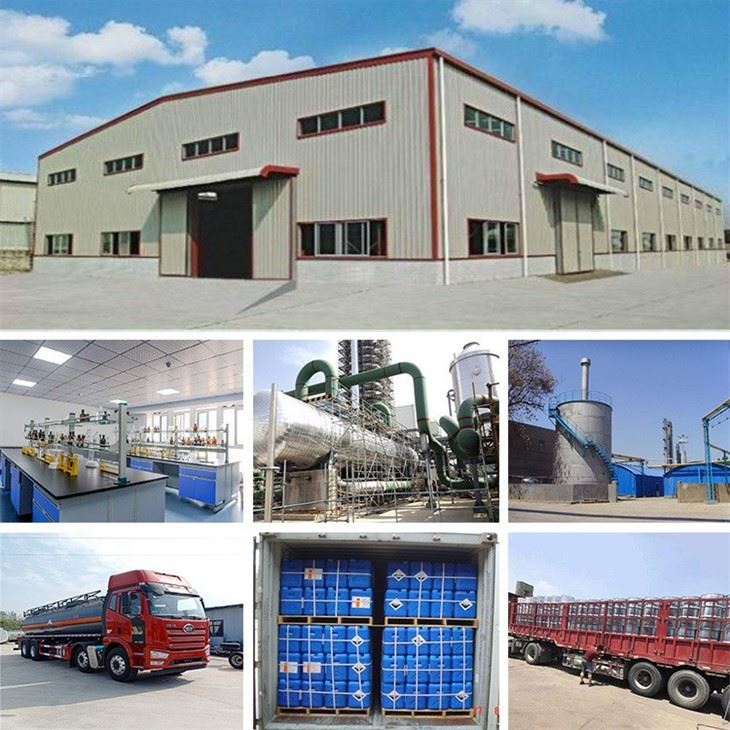
Industrial chemicals are diverse and can be broadly categorized based on their application scenarios:
1.1 Material Science Chemicals
These chemicals are the building blocks for developing new functional materials. Examples include monomers for high-performance polymers, crosslinking agents for coating materials, and ultra-pure reagents for electronic chemicals. In cutting-edge fields such as aerospace, new energy vehicles, and semiconductor manufacturing, the purity and stability of material chemicals directly determine final product performance and yield. For researchers and engineers, a reliable supply of these chemicals is key to accelerating the transition of new materials from the lab to the market.
1.2 Life Science Chemicals
Research and production in life sciences, including drug discovery, biotechnology, and clinical diagnostics, demand chemicals with exceptionally high purity and biocompatibility. This category includes high-purity buffers, cell culture media components, fluorescent probes for biomarkers, and various high-purity organic reagents. Batch-to-batch consistency is critical to ensure the reproducibility of experimental data and the stability of production processes.
1.3 Industrial Chemicals
Industrial chemicals are the foundation of national economies, widely used in coatings, adhesives, plastics, rubber, textiles, water treatment, and consumer products. They are characterized by large volumes, wide variety, and high demands for cost-effectiveness and supply chain stability. Quality management for industrial-grade chemicals focuses on consistency in large-scale production, impurity control, and compliance with safety and environmental regulations.
2. Core Elements of Chemical Quality Control
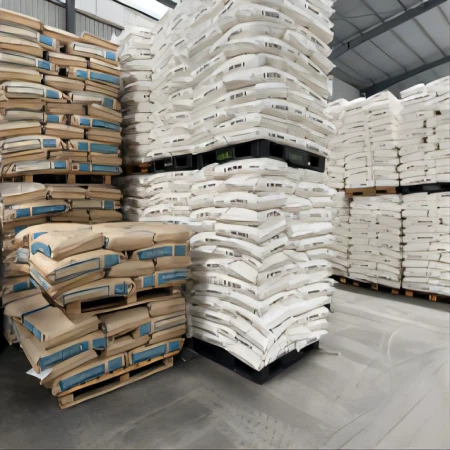
Whether supplying to research labs or industrial production, chemical quality management must focus on:
2.1 Purity and Impurity Profiling
Purity is the most critical quality indicator. For material and life science applications, both the main component content and impurity profiles must be monitored. Trace metal impurities, for example, can catalyze or inhibit polymerization reactions, while isomeric impurities may interfere with biological assay results. Advanced analytical techniques such as HPLC, GC, MS, and NMR are essential tools for accurate identification and quantification of impurities.
2.2 Batch-to-Batch Consistency
Consistency between batches is vital for reproducibility in R&D and production. A reliable supplier should have a robust quality system, conduct comprehensive testing on each batch, and provide Certificates of Analysis (COA) to ensure that customers receive products with consistent performance across different batches and timeframes.
2.3 Packaging and Storage
Packaging materials must be compatible with the product to prevent reactions or contamination during storage and transport. Special packaging may be required for compounds sensitive to moisture, oxygen, or light. Clear labeling-including the correct chemical name, CAS number, batch number, hazard warnings, and storage conditions-is essential for safe handling and use.
2.4 Regulatory Compliance
The production, transport, and use of chemicals are subject to strict regulations including GHS, REACH, and various national laws. A compliant supplier provides complete Safety Data Sheets (SDS) and Certificates of Analysis, ensuring that products meet regulatory requirements and assisting customers in fulfilling their compliance obligations.
3. Common Challenges and Countermeasures in Chemical Procurement
Research professionals and procurement managers frequently encounter the following challenges:
| Challenge | Manifestation | Recommended Countermeasure |
|---|---|---|
| Asymmetric quality information | Difficulty assessing true quality from product name alone | Request batch-specific COAs with actual test data for critical parameters |
| Supply stability risk | Single-source dependency can stall R&D or production | Partner with suppliers with in-house production capacity and backup supply channels |
| Cost control pressure | Balancing quality and budget in R&D | Consider total cost of ownership, including hidden costs from failures and rework |
| Compliance and safety | Strict regulations on hazardous chemicals | Ensure supplier provides compliant packaging, labeling, and SDS documentation |
| Slow custom response | Standard catalog doesn't meet specific needs | Choose suppliers with flexible custom synthesis capabilities |
4. How to Evaluate and Select a Reliable Chemical Supplier
A reliable supplier should demonstrate the following characteristics:
4.1 Technical and R&D Capability
Do they have a professional R&D team? Can they offer custom synthesis to meet specific project requirements? This reflects the supplier's ability to solve complex problems and support your unique research or production needs.
4.2 Robust Quality System
Do they hold ISO 9001 or other quality management certifications? Are they equipped with advanced analytical instruments? Have they established strict batch traceability systems? These are key indicators of their quality management standards.
4.3 Supply Chain Stability and Flexibility
Can they ensure stable inventory availability? Can they supply from gram to metric ton scale? Do they have backup production or procurement channels to handle unexpected disruptions?
4.4 Professional Service and Technical Support
Is their sales and technical support team responsive and knowledgeable? Can they provide complete technical documentation, including SDS and COA, in a timely manner?
Conclusion
Industrial and material science chemicals are the foundation of modern R&D and industry. Quality management must span the entire lifecycle-from synthesis to storage and application. For research institutions and enterprises, establishing a scientific evaluation and supplier management system is essential to ensure data reliability, process stability, cost control, and ultimately, innovation.

With years of experience in the chemical industry, Henan Alfa Chemical Co., Ltd is committed to providing high-quality analytical reagents, material chemicals, and life science chemicals to customers worldwide, supported by professional technical service and a stable supply chain. Contact our team today to discuss your specific chemical requirements and quality expectations.