


Company Profile
Henan Alfa Chemical Co., Ltd, was established in China decades ago with the goal of providing high-quality chemicals to our customers. Over the years, we have consistently strived to uphold our reputation as a reliable and trustworthy chemical supplier in the market.In the early days, we started by supplying basic chemicals to small businesses. However, as our reputation grew, so did our customer base and the variety of chemicals we supplied. We are now proud to offer a wide range of chemicals including reagents, material chemicals and biological chemicals tailored to meet the needs of various industries & research fields.
company advantage
Rich Products
Our company can produce reagents, material chemicals and biochemicals to meet the needs of domestic and foreign markets, and exports to the United States, the European Union and other countries and regions, as well as Southeast Asia, Africa, and the Middle East.
Quality Assurance
We are a leading manufacturer certified by FDA, CCE and REACH standards. Our products are 100% factory tested and well packaged. All our products comply with industry standards such as CE, ISO, etc.
Advanced Instruments
Our company has advanced equipment and the most advanced chemical equipment and instruments, such as high performance liquid chromatography, analytical balances, UV-visible spectrophotometers, etc.; it is also equipped with advanced laboratories that can specialize in the production of chemical reagents, material chemicals, industrial Chemicals and more.
Leading Service
We have many years of industry experience and a complete production management, quality supervision, sales service operation system. Whether you want to purchase different chemical reagents, or other biochemicals, just send your requirements via email and we can customize the product for you. We also accept OEM customization.

Methyl 2-Hydroxy-4-Methylvalerate CAS 40348-72-9
Methyl 2-hydroxy-4-methylvalerate CAS 40348-72-9
Molecular Formula: C7H14O3
Molecular Weight:146.18
Purity: 97%
Package: 5mg 10mg 100mg 250mg 1g

CAS:5466-06-8 | Ethyl 3-Mercaptopropionate
Molecular Formula:C5H10O2S
Molecular Weight:134.2
EINECS:226-771-5
Package:100g 500g 1kg

CAS:5466-06-8 | Ethyl 3-Mercaptopropionate
Molecular Formula:C5H10O2S
Molecular Weight:134.2
EINECS:226-771-5
Package:100g 500g 1kg

Acetyl Tetrapeptide-9 CAS 928006-50-2
Acetyl Tetrapeptide-9 CAS 928006-50-2
Molecular Formula: C22H33N7O9
Molecular Weight: 539.54
Purity:98%
Package: 10mg 100mg 500mg 1g 5g 25g 100g bulk

Acetyl Dipeptide-1 Cetyl Ester CAS 196604-48-5
Acetyl Dipeptide-1 cetyl ester CAS 196604-48-5
Molecular Formula: C33H57N5O5
Molecular Weight: 603.84
Purity:98%
Package: 10mg 50mg 1g 5g 10g

Carcinine Dihydrochloride CAS 57022-38-5
Carcinine dihydrochloride CAS 57022-38-5
Molecular Formula: C8H14N4O
Molecular Weight: 255.14
Purity:98%
Package: 5mg 25mg 1g 5g 25g

Acetyltetrapeptide 11 CAS 928006-88-6
Acetyltetrapeptide 11 CAS 928006-88-6
Molecular Formula: C27H38N4O7
Molecular Weight: 530.61
Purity:98%
Package: 1g 5g 25g 1kg 5kg 25kg

CAS 935288-50-9 Acetyl Decapeptide-3
CAS 935288-50-9 Acetyl Decapeptide-3
Molecular Formula: C68H95N19O17
Molecular Weight: 1450.6
Purity:98%
Package: 10mg 50mg 1kg

Palmitoyl Tripeptide 38 CAS 1447824-23-8
Palmitoyl Tripeptide 38 CAS 1447824-23-8
Purity:98%
Package: 10mg 50mg 100mg 1g 5kg 25kg
Sodium lactate is a multi-faceted ingredient, known as a humectant moisturiser. Humectants are highly effective skin-hydrators, which attract and bind to water from the atmosphere and the deeper layers of the skin. This helps to prevent water loss and imparts a feeling of elasticity. As a humectant, sodium lactate helps keep the skin hydrated and has been reported to improve the moisture content of the skin by up to 84%.Another function of sodium lactate is that it works as a keratolytic agent, meaning it helps remove dead skin cells from the surface of the skin, contributing to its overall healthy functions and helping to improve skin concerns such as keratosis pilaris, rough and bumpy texture, and dry, dull skin. This multi-tasking ingredient can be found in numerous skincare products, including body wash, cleanser, body lotion, shampoo and conditioner. It can increase skin hydration in both leave-on and rinse-off solutions.


Sodium lactate increases the efficacy of alpha hydroxy acids (AHA's). 2.This means that combined with other ingredients, sodium lactate helps to further boost product absorption, smooth your complexion and hydrate the skin. A match made in skincare heaven, right?
This ingredient also makes oils and butters less greasy and more moisturising.
It dramatically improves moisture content of the skin, particularly when used in rinse-off solutions.
Functioning as a buffering agent, it helps to stabilise formulation's pH by helping establish and hold the product, acting as a preservative.
By balancing the pH levels, this skin-loving ingredient is able to prevent the protective barrier from depleting and allows it to perform its daily function of protecting the skin from damaging pollutants.
Sodium lactate has further been known to brighten the skins complexion.
What Are The Uses of Sodium Lactate?
Food Industry
Sodium lactate is utilized as a food preservative, flavor enhancer, antifreeze agent, and humectant in the food industry. It has been applied as a substitute for sodium benzoate as a preservative in some countries. Sodium lactate offers incomparable advantages over sodium benzoate, sodium citrate, and sodium erythorbate.
Medical Field
In liquid form, sodium lactate can alleviate dehydration caused by diarrhea, poisoning caused by diabetes, and gastritis. It is used to replenish body fluids or electrolytes in intravenous solutions and is extensively applied in continuous ambulatory peritoneal dialysis (CAPD) for patients with kidney diseases. It is also used as an electrolyte and dialysate in intravenous injections, disinfectants for oral rinses, and bladder irrigation solutions.Sodium lactate is widely used in the preparation of Ringer's solution as an injectable solution for the treatment of metabolic acidosis.
Personal Care Industry
Lactate and lactate salts are natural components of human skin and hair. They possess unique pH-regulating and moisturizing functions and find wide application in various personal care products such as bath products, skincare products, hair care products, and oral care products.kincare products: Sodium lactate, being a natural moisturizing factor, constitutes one-fourth of the components in the stratum corneum of the skin. When used in cosmetics, sodium lactate can form a hydrating film with other chemicals, preventing the evaporation of skin moisture and keeping the skin hydrated, thereby preventing the formation of wrinkles. Sodium lactate is widely used as a moisturizing agent in skincare products. L-lactate salts can be used as a new generation of skin whitening agents, and when combined with other skin whitening agents, they exhibit a synergistic effect.
How Sodium Lactate Helps Hair Growth
Boosting Blood Circulation
Sodium lactate's hydrating effects can positively impact blood circulation in the scalp. Proper blood circulation to the scalp is essential to hair health. Without it, hair follicles may not get an adequate supply of the nutrients necessary to build new hair or the oxygen required to function. In this way, sodium lactate may stimulate hair growth and improve new hair strength in people who suffer from limited hair growth due to poor circulation.
Improving Hair Quality
Sodium lactate helps improve hair quality as part of a well-rounded scalp care routine. Keeping the scalp hydrated can contribute to the normal production of the body's Natural Moisturizing Factor. This, in turn, promotes hair follicle health and can improve the quality of new hair as it grows.
Removing Chemical Residue
The build-up of chemicals on the outer surface of the hair shaft can interfere with moisture absorption. Over time, this can lead to hair becoming lackluster and brittle. Products containing sodium lactate can help improve strength, shine and elasticity in existing hair-mainly when the formula also includes stronger keratolytic agents.
Reducing Hair Breakage
Sodium lactate doesn't make hair grow faster or thicker-no single ingredient or product can. However, formulations containing this salt can sometimes create the illusion of hair growing faster by limiting any breakage-hindered length.
The Benefits of Sodium Lactate
Preservative
Sodium lactate is a bacteriostatic agent, meaning it stops germs from reproducing but doesn't necessarily kill them. As a result, sodium lactate is useless as a preservative when used alone; it must be combined with a broad range preservative.
PH
Sodium lactate is also a buffering agent that aids in the establishment and maintenance of a product's ph. The pH of cosmetics and skin care products should be as near as feasible to the skin's natural pH, which is generally between 4.75 and 5.5. A substance that is too acidic can irritate the skin and sting the eyes. Overly alkaline products, on the other hand, may deprive the skin of essential lipids or oils, making it more susceptible to acne.
Moisture
Sodium lactate can also be used as a humectant moisturiser. A humectant is a water-absorbing substance with a chemical structure that makes it easy for it to connect with water molecules.
How is Sodium Lactate Made?
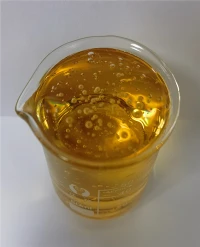
The sodium lactate liquid found in body wash, skincare products, and other formulations like serums, shampoo, and conditioners is produced in a lab from naturally derived ingredients. The simple process begins with the fermentation of sugars found in corn syrup or beets. This produces lactic acid, which is then neutralized to form sodium lactate.It's most often described as a colorless or slightly yellow syrup with a subtly saline flavor, though we wouldn't recommend tasting your hair products to find out if this is true! Powdered sodium lactate and sodium lactate liquid are safe and readily available online. They're popularly used in artisanal cold process soaps and homemade soap to extend shelf life and create a creamy, moisturizing texture.
How to Maintain Sodium Lactate
Store in a Cool and Dry Place
Sodium lactate should be kept in a location with low humidity and temperatures below 25°C (77°F). High temperatures can lead to dehydration of the product, affecting its solubility and efficacy.Use clean utensils when handling the sodium lactate to avoid cross-contamination with foreign materials that could compromise its quality.
Avoid Direct Sunlight
Exposure to direct sunlight can cause degradation of the product over time. Store sodium lactate in areas shielded from light or use opaque containers to protect it from UV radiation.Keep the sodium lactate in its original container or another airtight container to prevent moisture absorption and contamination from dust or other substances.Although sodium lactate has a relatively long shelf life, always check the expiration date or recommended usage period before using it. Discard any expired or questionable batches.
Avoid Freezing
While sodium lactate generally does not freeze at typical freezer temperatures, repeated cycles of freezing and thawing could potentially affect its physical properties. If accidental freezing occurs, allow the product to thaw slowly in a cool place before use.If sodium lactate is being used in a commercial setting, ensure that it is stored according to any regulatory requirements specific to your industry, such as those related to food safety or pharmaceutical manufacturing.its intended applications.
Our factory
Henan Alfa Chemical Co., Ltd, was established in China decades ago with the goal of providing high-quality chemicals to our customers. Over the years, we have consistently strived to uphold our reputation as a reliable and trustworthy chemical supplier in the market.In the early days, we started by supplying basic chemicals to small businesses. However, as our reputation grew, so did our customer base and the variety of chemicals we supplied. We are now proud to offer a wide range of chemicals including reagents, material chemicals and biological chemicals tailored to meet the needs of various industries & research fields.
Our Product


FAQ
Q: Is Sodium Lactate Safe to Use Topically?
Q: Is It Suitable for Vegans to Use?
Q: Who Can Sodium Lactate Help?
Q: Should I Seek Professional Advice Before Using Sodium Lactate for Scalp Health
Q: How long is sodium lactate good for?
Q: Is sodium lactate safe to consume?
Q: Is sodium lactate safe for face?
Q: Is sodium lactate safe for hair?
Q: Why does sodium lactate cause panic attacks?
Q: What is a good substitute for sodium lactate?
Q: Is sodium lactate a base or acid?
Q: Is sodium lactate antibacterial?
Q: Is lactate good for the brain?
Q: How does lactate work?
Q: Is sodium lactate organic?
Q: Does sodium lactate brighten skin?
Q: Is sodium lactate better than glycerin?
Q: Is sodium good for anxiety?
Q: How much sodium is in sodium lactate?
Q: Does lactic acid affect the brain?
Hot Tags: cas 72-17-3 sodium lactate, China cas 72-17-3 sodium lactate manufacturers, factory, Ocimene, Isododecane, Cosmetic Chemicals, Tetrahydrofurfuryl alcohol, Methyl dihydrojasmonate, 3 6 Octatriene


