


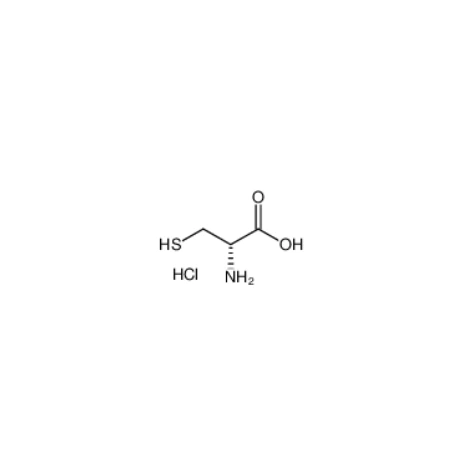
Introduction of CAS:207121-46-8 | D-CYSTEINE HYDROCHLORIDE
D-Cysteine hydrochloride monohydrate (DCHM) is an important chemical compound used in a variety of scientific applications. It is a white, crystalline compound with a molecular weight of 183.6 g/mol, consisting of a single molecule of D-Cysteine, a naturally occurring amino acid, and one molecule of hydrochloric acid. DCHM is a widely used reagent in biochemical and physiological research and is commonly used in laboratory experiments. It is important to understand the synthesis method, mechanism of action, biochemical and physiological effects, advantages and limitations for lab experiments, and potential future directions of DCHM.
Specification of CAS:207121-46-8 | D-CYSTEINE HYDROCHLORIDE
|
ITEMS |
SPECIFICATION |
|
Melt point |
~185 °C (dec.) |
|
Refractive index |
-6 ° (C=8, 1mol/L HCl) |
|
Form |
Crystalline Powder |
|
Color |
White to yellow |
|
Storage condition |
Inert atmosphere,2-8°C |
Research Application of CAS:207121-46-8 | D-CYSTEINE HYDROCHLORIDE
Organic Synthesis and Chemical Behavior
The chemical behavior of cysteine, including D-Cysteine, in organic synthesis has been a topic of research, with a focus on its reactivity and applications in various organic reactions. Cysteine's role in addition, condensation, substitution, and other reactions has been explored, demonstrating its versatility in organic chemistry and potential for creating fluorescent probes and other chemical entities (Darroudi & Mohammadi Ziarani, 2021).
Clinical Role and Biochemistry
Cystatin C, a cysteine proteinase inhibitor, plays a significant role in human health, particularly in kidney function. Its diagnostic value as a marker of kidney dysfunction has been extensively investigated, showing potential superior accuracy over traditional serum creatinine measurements in identifying impaired kidney function. However, conflicting results and the need for more definitive clinical applications limit its widespread use (Mussap & Plebani, 2004).
Enzyme Mechanisms and Catalytic Cycles
Research into non-heme iron-containing enzymes, such as cysteine dioxygenase, has provided theoretical insights into the catalytic cycles and chemical properties of short-lived intermediates. These studies highlight the role of cysteine in enzyme mechanisms, offering potential pathways for therapeutic interventions in diseases associated with enzyme dysfunction (Visser, 2009).

Hot Tags: cas:207121-46-8 | d-cysteine hydrochloride, China cas:207121-46-8 | d-cysteine hydrochloride manufacturers, factory, Chemical Reagents, Methyltin mercaptide